Every autumn and spring, on cliffs that drop hundreds of feet into the Nepalese hills, honey hunters climb rope ladders to raid the nests of the world’s largest honeybee. What they bring down is unlike any honey on a supermarket shelf: dark, bitter, and capable of producing effects that have fascinated — and occasionally hospitalized — people for over 2,500 years.
If you’ve landed here searching for “mad honey harvest,” you’re probably trying to answer a few different questions at once: what this honey actually is, where it comes from, whether it’s safe, and where you can buy a legitimate jar. This guide covers all of it.
What Is Mad Honey?
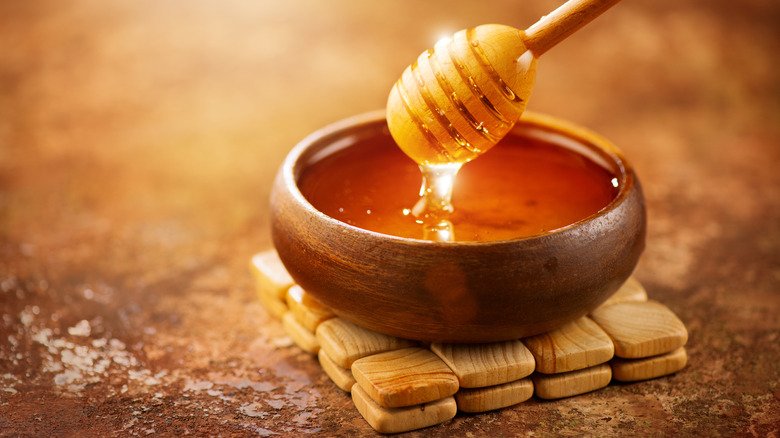
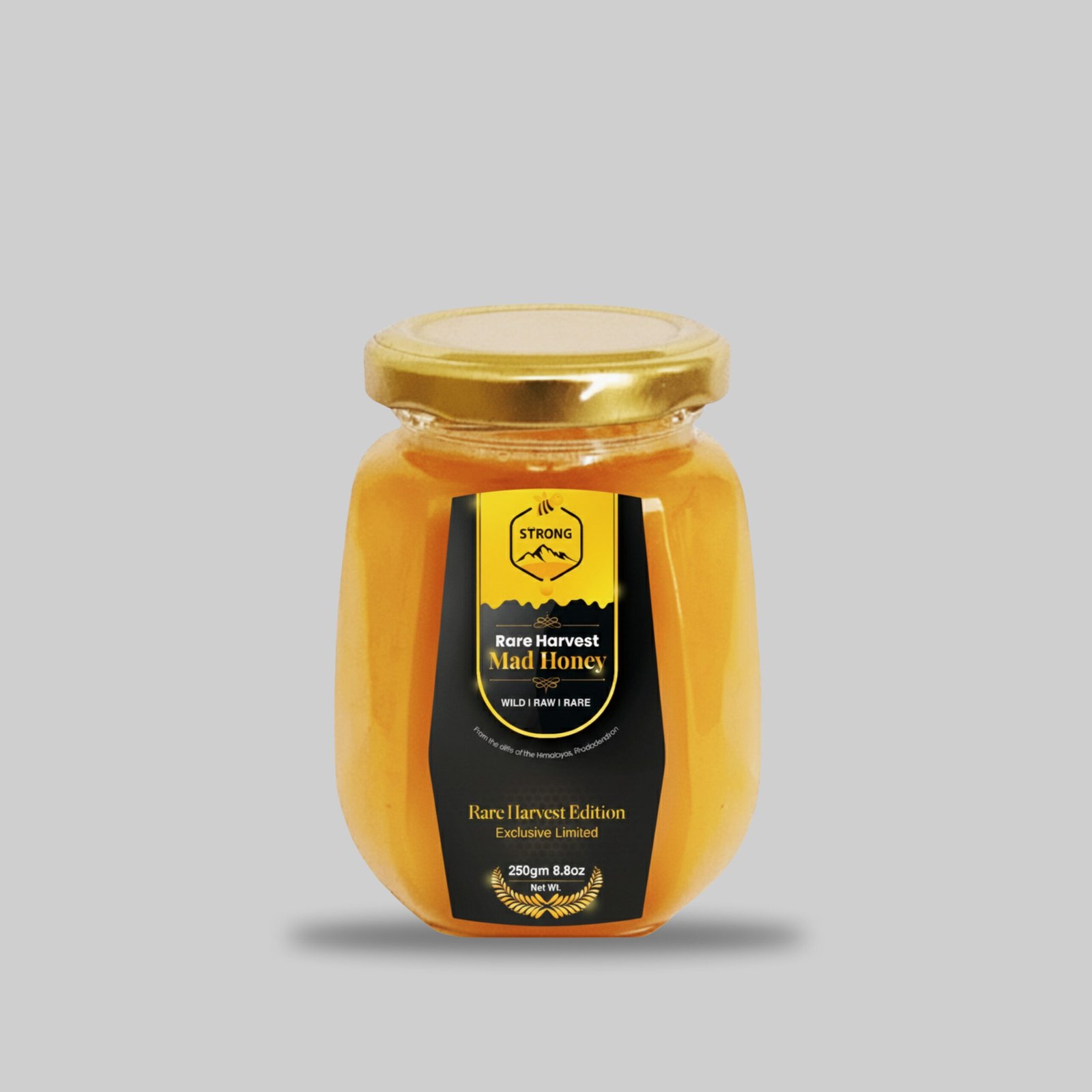
Mad honey is a rare type of raw honey produced by bees that feed on the nectar of certain rhododendron species. Those flowers naturally contain a group of compounds called grayanotoxins, which the bees inadvertently concentrate into the honey itself. Unlike ordinary honey, which is just sugar, enzymes, and trace nutrients, mad honey carries this plant toxin straight through to the final product.
The name isn’t marketing hype — it comes from real historical accounts. The Greek soldier-historian Xenophon described his troops becoming disoriented and ill after eating local honey in 401 BC, and the same effect has been documented in the Black Sea region of Turkey and the mountain belt of Nepal ever since.
Locally, you’ll see it called:
- “Deli bal” in Turkey (literally “mad honey”)
- “Cliff honey” or “red honey” in Nepal, named for its dark red color and cliffside origin
What’s Mad Honey Made Of, and Why Does It Affect the Body?
The active ingredient is grayanotoxin, a neurotoxin that works very differently from caffeine, alcohol, or typical recreational substances. Rather than acting on the brain’s reward receptors, grayanotoxin binds to sodium channels in cell membranes, which disrupts normal nerve and muscle signaling and increases vagal tone (the nerve pathway that slows the heart).
This is also why mad honey is sometimes loosely described online as hallucinogenic honey. True hallucinations are actually uncommon. What people more typically report is a cluster of physical sensations:
- Lightheadedness and a warm, floating feeling
- Tingling around the lips and extremities
- Mild euphoria at very small doses
- Slowed heart rate and dizziness as the dose increases
These effects come from the same mechanism that, at higher doses, causes the medically documented condition known as “mad honey disease” — a real, studied form of poisoning, not folklore.
Hallucinogenic Honey Nepal: Where the Harvest Actually Happens
Nepal’s mad honey comes almost entirely from the Himalayan giant honeybee, Apis laboriosa — the largest honeybee species in the world — and the rhododendron forests that bloom across the mid-hills of regions like Lamjung, Kaski, and Annapurna.
The harvest itself is one of the most dangerous traditional food-gathering practices left on earth. Indigenous Gurung honey hunters climb hand-woven rope ladders hundreds of feet up sheer cliff faces, using smoke to calm the bees, and cut down honeycomb with long bamboo poles called tangos — all without modern safety gear. It happens twice a year, tied to the rhododendron bloom in spring and autumn.
This harvest is also under real ecological pressure right now. Commercial demand has pushed some operators toward over-harvesting, taking entire hives instead of a sustainable portion, which has contributed to steep population declines in Apis laboriosa over the past 15 years. Habitat loss from road-building, hydropower projects, and deforestation is compounding the problem. When you buy mad honey, the harvest method and source genuinely matter — both for your safety and for the bees.
Is Mad Honey Safe? Here’s What the Research Actually Shows
This is the question that matters most, so let’s be direct about it: mad honey is not a casual treat, and there is no dose that’s guaranteed safe for everyone.
Clinical literature on grayanotoxin poisoning is well established. Documented effects of overconsumption include:
- Nausea, vomiting, and excessive sweating
- A significant drop in blood pressure (hypotension)
- An abnormally slow heart rate (bradycardia), sometimes progressing to heart block
- Blurred or doubled vision, confusion, and fainting
- In rare, severe cases: seizures, arrhythmia, or loss of consciousness requiring emergency care
Medical case reports note that consuming as little as one to two teaspoons of potent mad honey has been enough to cause poisoning in some people, with symptoms typically appearing within 20 minutes to a few hours and resolving within 24 hours as the toxin clears the body. Toxin concentration varies significantly from batch to batch depending on the season and the specific rhododendron species the bees fed on — which means the same “dose” can hit very differently jar to jar.
People who are pregnant, elderly, taking heart or blood pressure medication, or who have any cardiac condition should not consume mad honey under any circumstances. Cooking or heating the honey does not reliably destroy grayanotoxin, so there’s no kitchen trick that makes it safer.
Our recommendation: if you choose to try it, start with no more than a few grains on the tip of a spoon, wait at least an hour, and never consume it alone, while driving, or alongside alcohol or medication. If you experience dizziness, a slow pulse, or fainting after eating mad honey, treat it as a medical event and seek care — symptoms are usually self-limiting but should be monitored.
Why Demand for Mad Honey Keeps Growing
Despite — or sometimes because of — its risks, demand for authentic mad honey has climbed steadily, driven by a few consistent motivations:
- Curiosity about its psychoactive folklore — people want to safely understand what the historical accounts were describing.
- Traditional use as a natural remedy — in parts of Nepal and Turkey, small amounts have long been used in folk medicine for digestive issues and blood pressure, though this is traditional use, not a clinically verified treatment.
- Rarity and authenticity — genuine cliff-harvested honey is limited by season, geography, and the shrinking bee population, which makes a verified jar feel like a collector’s item rather than a commodity.
How to Choose a Mad Honey Supplier (Don’t Skip This)
The mad honey market has a real counterfeit problem — a lot of what’s sold online as “Himalayan mad honey” is regular honey with no grayanotoxin at all, while some unregulated sources sell honey with dangerously unpredictable potency. Before you buy, check for:
- Batch-level traceability — a legitimate seller can tell you which harvest, season, and region your jar came from.
- Lab-tested grayanotoxin levels — reputable suppliers test potency rather than relying on guesswork.
- Direct sourcing from known harvesting communities — this matters for both authenticity and the ethics of supporting sustainable, traditional harvest practices rather than over-extraction.
- Clear dosage and safety guidance included with the product — any seller who doesn’t mention risk at all is a red flag, not a reassurance.
- Realistic claims — be skeptical of marketing that promises guaranteed euphoria, enhanced performance, or “natural Viagra” claims with no caveats. Real mad honey affects everyone differently, and overselling the effects is a sign of an inexperienced or careless seller.
Frequently Asked Questions
What’s mad honey, in one sentence?
It’s raw honey made by bees feeding on rhododendron flowers containing grayanotoxin, which can cause mild euphoria at low doses and toxic symptoms at higher ones.
Is hallucinogenic honey from Nepal different from Turkish deli bal?
They come from the same toxin family and similar rhododendron species, but Nepali cliff honey is harvested by Apis laboriosa at high altitude, while Turkish mad honey comes from regional honeybees along the Black Sea coast. Potency and flavor profiles differ by harvest.
How much mad honey is safe to try?
There’s no universally “safe” dose, since potency varies by batch. Clinical reports note that even small amounts (a teaspoon or less) have caused poisoning in some individuals. Start far smaller than you’d expect, and never assume a previous safe experience guarantees the next jar will behave the same way.
Is mad honey legal to buy?
In most countries, including the US and EU, mad honey can be legally imported and sold as a specialty food product, though some countries restrict grayanotoxin content in honey sold for consumption. Regulations can change, so check current import rules for your country before ordering.
Ready to Buy Authentic Mad Honey?
If you’re going to try mad honey, the harvest source and lab-verified potency are the two things that actually protect you — not luck. Look for a supplier who can show you exactly where your jar was harvested, when, and at what tested grayanotoxin level, and who gives you clear dosing guidance instead of vague promises.
Before you add a jar to your cart: ask the seller for batch testing data and harvest traceability. If they can’t provide it, keep looking — with this product, that information is the difference between an interesting experience and a trip to the ER.
This article is for informational purposes only and is not medical advice. If you experience symptoms of grayanotoxin poisoning — including dizziness, slowed heartbeat, fainting, or confusion — after consuming mad honey, seek medical attention.


