

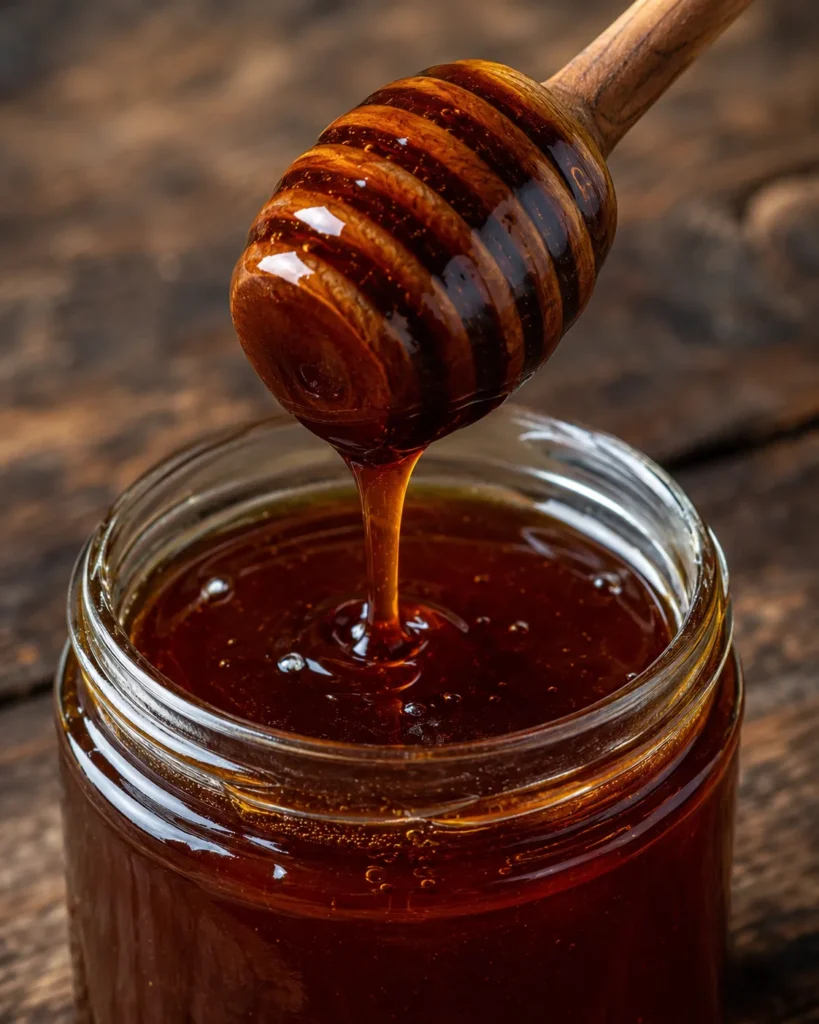
Mad Honey, harvested from the cliffs of Nepal, contains natural compounds called grayanotoxins that give it its distinctive mild psychoactive and medicinal reputation, but like any potent natural product, it can cause side effects if consumed carelessly or in excess, and understanding these effects before you buy or use mad honey is the responsible first step toward a safe experience.
Is Mad Honey Safe?
Mad Honey is considered safe for most healthy adults when consumed in small, controlled amounts and sourced from a reputable supplier who tests for grayanotoxin concentration, but safety depends heavily on three factors: the quality and purity of the honey, the amount consumed, and the individual’s personal health condition, which is why we always recommend starting cautiously, buying only from verified sources, and following the dosage guidance provided with your product rather than experimenting on your own.

What Is Mad Honey Poisoning?
Mad Honey poisoning, also known as grayanotoxin poisoning or “honey intoxication,” occurs when someone consumes more grayanotoxin than their body can safely tolerate, and while most cases reported in medical literature are mild and resolve within a few hours, poisoning can occur more easily with raw, unregulated, or excessively strong batches of honey, which is why sourcing from a trusted, lab-aware supplier significantly reduces this risk.
Common Mad Honey Side Effects and Symptoms
The most commonly reported side effects include dizziness or lightheadedness, nausea and mild vomiting, excessive sweating, tingling or numbness around the lips and extremities, blurred or double vision, a noticeably slowed heart rate, and low blood pressure, and these symptoms typically appear within twenty minutes to a few hours of consumption and are the body’s natural response to grayanotoxins affecting sodium channels in nerve and heart tissue.
Who Should Avoid Mad Honey?
Certain groups face a meaningfully higher risk of complications from grayanotoxins and should avoid mad honey entirely or only use it under direct medical supervision.
Pregnancy
Pregnant and breastfeeding women should avoid mad honey completely, since there is no reliable safety data for grayanotoxin exposure during pregnancy, and any drop in blood pressure or heart rate in the mother can also affect the baby, making this a strict no-go category regardless of dosage.
Heart Patients
Anyone with a diagnosed heart condition, including arrhythmia, low blood pressure, a pacemaker, or a history of heart block, should avoid mad honey, because grayanotoxins directly affect heart rhythm and can dangerously amplify an existing cardiac issue, and several documented medical case reports specifically involve patients with pre-existing heart conditions experiencing severe bradycardia after consumption.
Drug Interactions
Mad Honey can interact with several common medication categories, particularly beta-blockers, blood pressure medications, heart rhythm drugs, and sedatives, since combining grayanotoxins with these medications can compound their effects and lead to dangerously low heart rate or blood pressure, so anyone on prescription medication should consult their doctor before trying mad honey, not just rely on general online advice.
Mad Honey Overdose: Warning Signs
An overdose typically presents as a more intense and prolonged version of standard side effects, including severe dizziness, difficulty standing or walking, chest discomfort, an unusually slow or irregular heartbeat, cold and clammy skin, confusion, or fainting, and any combination of these symptoms should be treated as a medical concern rather than something to simply wait out at home.
Emergency Guide: What to Do If You Experience Side Effects
If you or someone else experiences symptoms after consuming mad honey, the first step is to stop consuming it immediately and sit or lie down in a safe position to avoid injury from dizziness or fainting, keep the person warm and calm, and monitor their breathing and heart rate closely; if symptoms are severe, worsening, or include chest pain, fainting, or an irregular heartbeat, seek emergency medical attention right away rather than waiting for symptoms to pass, and inform the medical team that grayanotoxin or mad honey consumption is involved so they can treat appropriately.
How Long Do Mad Honey Side Effects Last?
For most people, mild side effects resolve on their own within two to six hours as the body naturally processes and clears the grayanotoxins, though some individuals report lingering fatigue or mild dizziness for up to twenty-four hours, and in general, the larger the amount consumed relative to the person’s body weight and sensitivity, the longer recovery tends to take.
How to Reduce the Risk of Side Effects
The safest approach is to buy only from a supplier who tests and discloses grayanotoxin potency, follow the recommended serving guidance rather than guessing, avoid mixing mad honey with alcohol or medication, never consume it on an empty stomach, and always have another person present the first time you try it in case a medical response is needed.
Frequently Asked Questions
Can mad honey side effects be dangerous?
In most healthy adults symptoms are mild and temporary, but in people with heart conditions or when consumed in excess, effects can become serious and require medical attention.
Is it normal to feel dizzy after mad honey?
Mild dizziness is one of the most commonly reported effects and usually passes within a few hours, but severe or worsening dizziness should not be ignored.
Should I see a doctor after mad honey side effects?
If symptoms are mild and improving, monitoring at home is usually sufficient, but any chest pain, fainting, or irregular heartbeat warrants immediate medical evaluation.


