


Mad honey looks like ordinary honey, but the science behind it is genuinely distinct from anything else in the honey world. Its effects, its taste, and its rarity all trace back to a single compound produced by a specific group of plants, absorbed by bees, and carried into the final product largely unchanged. This guide is meant to be the most complete resource on the science behind mad honey available anywhere online, walking through the chemistry, the biology, and the research in a way that’s useful whether you’re encountering this topic for the first time or you already know the basics and want the deeper detail.
What Is Grayanotoxin?
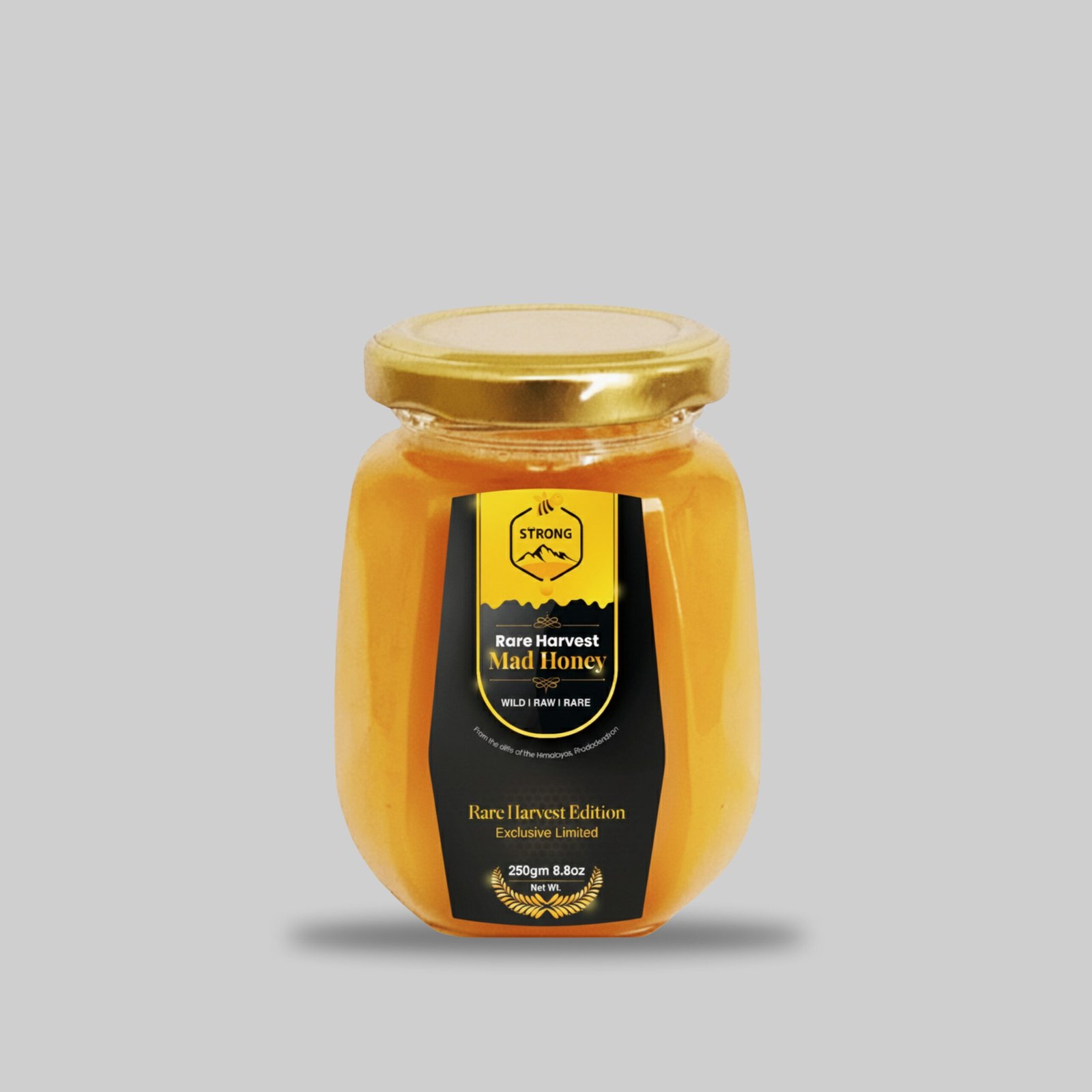
Grayanotoxin is the compound at the center of everything discussed on this page. It’s a naturally occurring diterpenoid, a category of plant-derived chemical compound, produced by certain species within the Ericaceae plant family, most notably specific rhododendron species that grow at high altitude in Nepal and along Turkey’s Black Sea coast. When bees forage on the nectar of these plants, grayanotoxin transfers into the honey they produce, giving mad honey its defining physiological effects. For the complete breakdown of this compound, including how it interacts with the body and why “benefit” isn’t quite the right word to describe it, see our full guide on Understanding Grayanotoxin.
The Chemical Family Behind Mad Honey
Grayanotoxins belong to a broader group of plant toxins found across the Ericaceae family, which also includes blueberries, cranberries, and azaleas, though only certain species within this family produce grayanotoxin in meaningful concentration. Chemically, these compounds are classified as polyhydroxylated cyclic diterpenes, a structure that allows them to bind tightly to specific protein channels in animal cells, which is the basis for everything they do once consumed.
How Grayanotoxin Was First Identified
While the effects of mad honey have been documented for over two thousand years, dating back to written accounts from ancient Greece, the specific compound responsible wasn’t chemically isolated and named until modern analytical chemistry made that kind of identification possible. Grayanotoxin research accelerated significantly in the twentieth century as chromatography and mass spectrometry techniques advanced enough to isolate and characterize plant-derived compounds like this one with real precision.
Grayanotoxin Variants
Grayanotoxin isn’t a single molecule; it’s a family of related compounds, generally numbered (grayanotoxin I, II, III, and so on), with grayanotoxin I and III typically identified as the most significant contributors to mad honey’s effects in the plants most closely associated with the product. Different rhododendron species produce different ratios of these variants, which is part of why potency and character can vary between regions and even between individual harvests.
Rhododendron Nectar: Where the Toxin Comes From
Grayanotoxin doesn’t appear in honey out of nowhere; it originates specifically in the nectar of certain rhododendron species, and understanding that nectar is essential to understanding mad honey at a scientific level.
Which Rhododendron Species Are Involved
Not every rhododendron produces grayanotoxin-rich nectar. The species most closely tied to mad honey production include various high-altitude Himalayan rhododendrons in Nepal, along with Rhododendron ponticum and Rhododendron luteum in Turkey’s Black Sea region. These species evolved to produce grayanotoxin most likely as a natural defense mechanism against herbivores, a chemical deterrent rather than something that developed for any benefit to bees or humans.
Why Nectar Composition Varies by Altitude and Season
Grayanotoxin concentration in rhododendron nectar isn’t fixed. It shifts based on altitude, with higher-elevation plants generally associated with more concentrated grayanotoxin content, along with seasonal timing, soil conditions, and the specific health of the plant population in a given year. This natural variability is the root cause of why mad honey potency differs so much from batch to batch, something we cover in detail in our guide on Rhododendron Flowers.
How Bees Process the Nectar Into Honey
When bees, particularly Apis laboriosa, the giant Himalayan honeybee, forage on this nectar, they don’t neutralize or filter out the grayanotoxin during the process of converting nectar into honey. The compound passes through largely intact, meaning the honey retains a meaningful portion of the potency present in the original nectar source. This is different from how some other plant compounds get broken down or diluted during honey production, and it’s a key reason mad honey remains as potent as it does in its finished form.
How Mad Honey Works in the Body
Understanding grayanotoxin’s origin only tells part of the story. The other half is understanding exactly what happens once it’s consumed.
Sodium Channels Explained Simply
Every nerve and muscle cell in the body, including cells in the heart, relies on tiny protein structures called sodium channels to manage the flow of electrical signals. Under normal conditions, these channels open briefly and then close, allowing for the precise, rapid signaling that controls everything from muscle contraction to heartbeat rhythm. Grayanotoxin binds to these channels and holds them open longer than they’re supposed to stay open, disrupting that normal signaling pattern. This single mechanism is responsible for essentially every effect associated with mad honey, from the physical sensations some users describe to the more serious cardiovascular symptoms documented in clinical literature.
The Absorption and Onset Timeline
After consumption, grayanotoxin is absorbed through the digestive system and begins producing noticeable effects within roughly thirty minutes to a few hours, depending on the amount consumed, individual metabolism, and whether it was taken on an empty or full stomach. This isn’t an instant effect the way some substances are; it tends to build gradually, which is part of why people can sometimes underestimate how much they’ve consumed before the full effect becomes apparent.
Why the Same Amount Affects People Differently
Because sodium channel sensitivity, body weight, and general cardiovascular health all vary from person to person, identical amounts of grayanotoxin can produce meaningfully different experiences in different individuals. This individual variability, combined with natural potency differences between batches, is why there’s no universal, standardized amount that applies safely to everyone, a point we return to throughout our safety-focused content on this site.
Chemical Composition of Mad Honey
Beyond grayanotoxin specifically, mad honey has a full chemical profile worth understanding, much of it shared with raw honey generally and some of it unique to its rhododendron origin.
Sugars and Moisture Content
Like any honey, mad honey is primarily composed of natural sugars, mainly fructose and glucose, along with a moisture content typically ranging between 15 and 20 percent in properly harvested, minimally processed batches. These basic components don’t differ dramatically from regular honey and aren’t responsible for any of mad honey’s distinguishing effects.
Grayanotoxin Concentration
The grayanotoxin content within mad honey is typically measured in parts per million or milligrams per kilogram in laboratory analysis, and it’s this specific measurement, more than any other compositional factor, that determines a batch’s potency. Concentration varies considerably based on the factors already discussed: rhododendron species, altitude, season, and even conditions within an individual hive.
Phenolic Compounds and Trace Elements
Mad honey also contains phenolic compounds and flavonoids inherited from its rhododendron nectar source, contributing to its antioxidant profile, along with trace minerals and enzymes typical of raw, minimally processed honey. This aspect of its composition is generally modest compared to more thoroughly studied honey varieties like Manuka, though it’s a genuine part of the honey’s overall chemical makeup.
Active Compounds Beyond Grayanotoxin
While grayanotoxin dominates any scientific discussion of mad honey, it isn’t the only biologically active component present in the final product.
Enzymes and Raw Honey Components
Raw, unheated mad honey retains natural enzymes, including invertase and glucose oxidase, that are typically present in any unprocessed honey and contribute to its natural preservation properties and mild antibacterial characteristics, independent of grayanotoxin entirely.
Antioxidant Compounds
The flavonoids and phenolic acids inherited from rhododendron nectar contribute measurable antioxidant activity, generally assessed through standard laboratory assays like DPPH or FRAP testing. This antioxidant content is real but modest, and it shouldn’t be confused with or credited to grayanotoxin, which operates through an entirely separate mechanism.
Why Grayanotoxin Remains the Defining Compound
Despite this broader chemical profile, grayanotoxin remains the single compound responsible for what makes mad honey scientifically and commercially distinct. Every other component discussed here is either shared with ordinary raw honey or present in a comparatively minor, secondary role.
Scientific Studies on Mad Honey
The body of published research on mad honey is real but narrower than most people expect, concentrated in a few specific areas rather than spread evenly across every claim associated with the product.
Clinical Case Reports
The most substantial body of mad honey research consists of clinical case reports, primarily published by Turkish emergency medicine and cardiology researchers, documenting patients who experienced grayanotoxin poisoning after consuming excessive amounts of deli bal, Turkey’s regional version of mad honey. These reports describe a consistent pattern of symptoms, including slowed heart rate and low blood pressure, and represent the most rigorously documented part of the mad honey research landscape.
Chemistry and Toxicology Research
Separate from clinical case reports, researchers have done meaningful work characterizing grayanotoxin’s chemical structure and its mechanism of action on sodium channels, along with more limited studies on mad honey’s general composition, including antioxidant content and pollen analysis used to verify geographic origin. For a full breakdown of what’s actually been studied, see our dedicated guide on Mad Honey Scientific Evidence.
Where the Research Gaps Remain
It’s worth being direct about what hasn’t been studied. There’s no rigorous clinical research validating specific wellness claims commonly associated with mad honey, including its effects on libido, sleep, or general vitality. The existing research base tells us a great deal about grayanotoxin’s risks and its basic chemistry, and comparatively little about the specific benefit claims that dominate a lot of online marketing.
Lab Testing: How Mad Honey Is Analyzed
Understanding how mad honey is actually tested in a laboratory setting helps explain both what’s knowable about a given batch and what realistically isn’t.
Common Testing Methods
Laboratories typically use high-performance liquid chromatography (HPLC) or gas chromatography paired with mass spectrometry (GC-MS) to identify and quantify grayanotoxin concentration in a honey sample with real precision. These methods separate the honey’s various chemical components and measure them individually, allowing researchers and, increasingly, responsible sellers to determine grayanotoxin content in parts per million rather than relying on guesswork or anecdotal potency descriptions.
What Lab Testing Can and Can’t Tell You
Lab testing can reliably confirm the presence and approximate concentration of grayanotoxin in a specific sample, along with basic quality metrics like moisture content and sugar profile. What it generally can’t do is predict exactly how a specific individual will respond to that concentration, since personal sensitivity depends on factors lab testing doesn’t measure, including body weight and individual physiology. This is an important distinction: testing tells you what’s in the jar, not exactly what will happen when you consume it.
Purity Testing and Authenticity Verification
Given how frequently mad honey is diluted or mislabeled in the broader market, purity testing plays a genuinely important role separate from potency testing alone.
Common Adulteration Methods
Mad honey is sometimes diluted with regular honey to stretch supply and increase profit margins, or mislabeled entirely, with ordinary honey sold under a mad honey label to capitalize on its reputation and price point. Pollen analysis, known as melissopalynology, is one of the more reliable methods for verifying that a honey sample genuinely originated from the claimed rhododendron source and region, since the specific pollen grains present in a sample reflect exactly which flowers the bees foraged on.
How Buyers Can Look for Verified Testing
As a buyer, the most practical way to engage with this science is to look for sellers who can speak specifically to how their honey has been tested, whether that’s grayanotoxin concentration analysis, pollen verification, or both, rather than relying on marketing language alone. A transparent seller treats lab testing as a meaningful part of their sourcing process, not an afterthought.
Conclusion
Mad honey’s reputation, whether framed around its traditional use, its price, or its effects, ultimately rests on a specific, identifiable scientific foundation: grayanotoxin, sourced from rhododendron nectar, absorbed by bees, and carried largely unchanged into the final product, where it interacts with sodium channels throughout the nervous and cardiovascular systems. Understanding this science doesn’t just satisfy curiosity; it’s the foundation for using this product responsibly, evaluating marketing claims critically, and choosing a supplier whose approach to testing and transparency actually matches what the underlying chemistry demands.
Frequently Asked Questions
What is grayanotoxin, in simple terms?
Grayanotoxin is a natural plant compound found in certain rhododendron species that disrupts normal electrical signaling in nerve and heart cells, producing the effects associated with mad honey.
Does all mad honey contain the same amount of grayanotoxin?
No. Concentration varies significantly based on rhododendron species, altitude, season, and even conditions within an individual hive, which is why potency differs between batches.
How is mad honey tested in a laboratory?
Primarily through chromatography-based methods like HPLC or GC-MS, which can identify and measure grayanotoxin concentration with real precision.
Can lab testing tell me exactly how mad honey will affect me?
No. It can confirm what’s in a specific sample, but individual response depends on personal factors like body weight and sensitivity that testing alone can’t predict.
Is there solid scientific research behind mad honey’s marketed benefits?
Most rigorous research focuses on grayanotoxin’s chemistry and documented poisoning risk, not on validating specific wellness claims like libido or energy benefits, which remain largely unstudied.
Why does rhododendron nectar matter so much to this whole topic?
It’s the original source of grayanotoxin. Without this specific nectar, bees would produce ordinary honey with none of mad honey’s distinguishing effects.


