
Ask ten people why they bought mad honey and a good number will mention energy. It’s one of the most common reasons buyers seek this rare Himalayan product out in the first place, but the reasoning behind it is often fuzzy — part folklore, part forum posts, part marketing copy. This article strips that back and looks at what’s actually behind the energy claim, how the honey is typically used for this purpose, and where it genuinely differs from your morning coffee.
The Compound Doing the Work
Ordinary honey is sugar plus trace nutrients — nothing more complicated than that. What separates mad honey is a group of compounds called grayanotoxins, present because the bees that made it fed on specific high-altitude rhododendron flowers rather than clover or wildflowers. Grayanotoxins act on sodium channels in the body’s cells, a completely different mechanism than sugar metabolism, and that mechanism is the actual source of the sensation people describe as an energy boost. It’s chemistry, not folklore, even if the folklore came first.
Where the Reputation Started
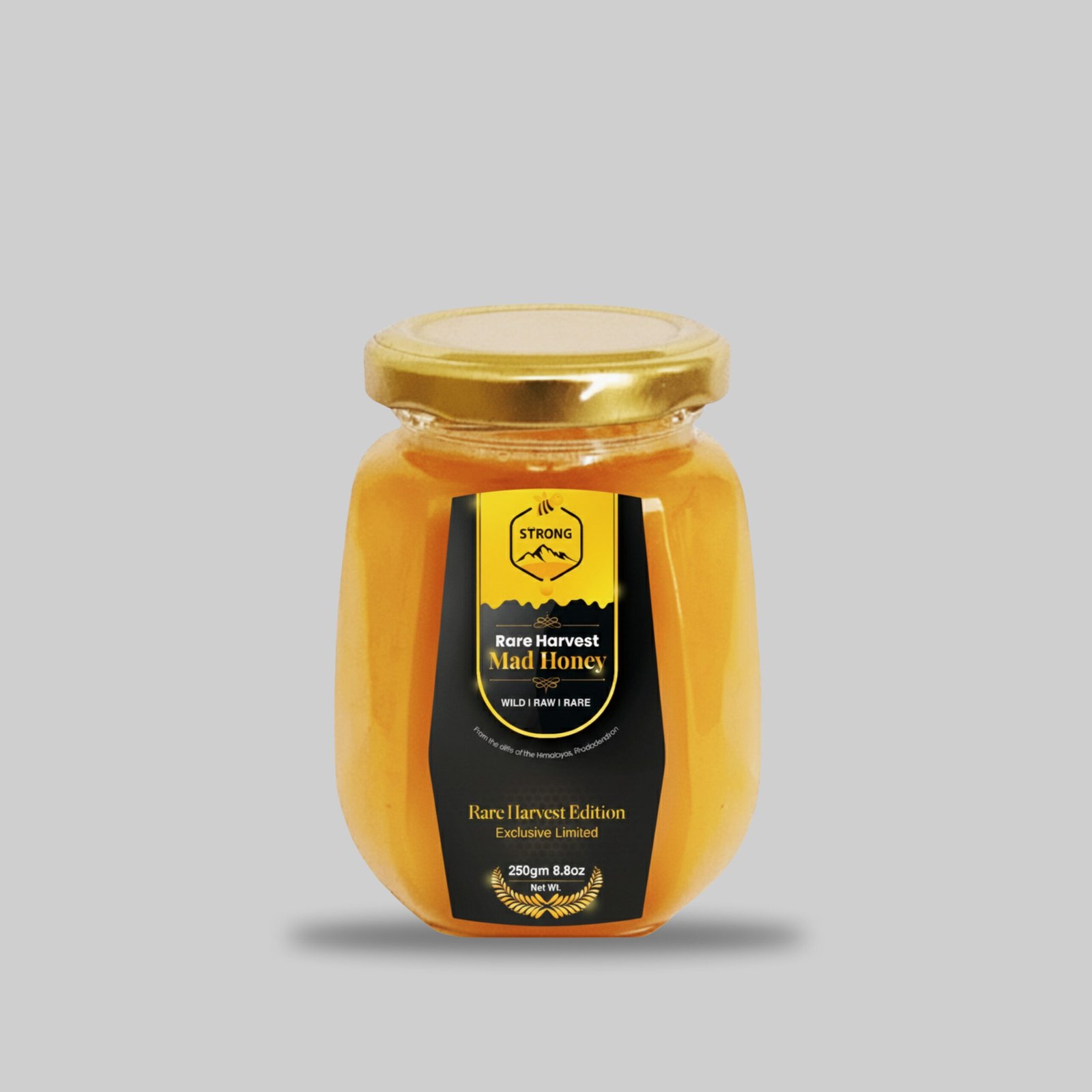
Long before anyone outside Nepal had heard of mad honey, it was already a known quantity in the hill villages where it’s harvested. Farmers working steep terraced fields, porters hauling loads over mountain passes, and the honey hunters themselves reached for small amounts of this honey specifically before demanding physical work. That’s a pattern repeated across generations in Gurung communities, and it’s the origin of the energy association that eventually made its way into international marketing decades later. The reputation isn’t invented — it’s just been simplified and amplified along the way.
What Using It for Energy Looks Like in Practice
People who use mad honey for energy generally take a small amount directly, often in the morning or shortly before activity. There isn’t a standard dose we can hand you here — sensitivity to grayanotoxins differs enormously from person to person based on body weight, tolerance, and the specific potency of the batch you’re holding, so we deliberately don’t publish dosage figures. The responsible approach is always the same: take the smallest amount imaginable the first time, and give your body time to tell you how it responds before considering anything more.
Coffee, Caffeine, and Where Mad Honey Parts Ways
Caffeine works by blocking adenosine receptors in the brain, which is why it produces that familiar, sharp sense of alertness within twenty or thirty minutes. It’s predictable, well-researched, and safe for most people in moderate daily amounts. Mad honey doesn’t touch that pathway at all — its grayanotoxins work through sodium channels instead, and the resulting sensation tends to be described as more physical than mental, more of a full-body warmth than a mental edge. You also can’t treat mad honey the way you treat coffee: multiple cups a day is normal for coffee, while mad honey is a concentrated, occasional product not meant for that kind of routine consumption.
Every Jar Is a Little Different
Something worth understanding before you buy: grayanotoxin content isn’t fixed. It shifts with the specific rhododendron species the bees fed on, the altitude of the hive, and the particular season it was harvested. Two jars labeled the same way can genuinely differ in strength. This is exactly why a supplier who can speak specifically to where and when a batch was harvested matters so much more here than it would for a jar of clover honey — inconsistent sourcing means an inconsistent, less predictable experience.
Who Shouldn’t Be Reaching for This
Grayanotoxins affect heart rate and blood pressure, which means this isn’t a product to try casually if you have a cardiac condition, any blood pressure issue, or if you’re pregnant or breastfeeding. Anyone on medication that touches the heart or blood pressure should talk to a doctor first. And mad honey and alcohol should never be mixed under any circumstance — both affect the cardiovascular system, and combining them adds risk that simply isn’t worth taking.
Not a Cure for Being Tired
It’s worth saying plainly: mad honey isn’t a fix for chronic fatigue. If you’re constantly exhausted, the underlying cause — poor sleep, nutritional gaps, stress, an undiagnosed condition — deserves attention from an actual healthcare provider, not a jar of honey no matter how storied its history. Mad honey’s traditional role was situational: a boost before a specific physical task, not a solution to ongoing tiredness.
Bottom Line
The energy reputation attached to mad honey is grounded in something real — centuries of practical, occasional use by people who genuinely needed physical stamina to do their jobs. That’s different from a scientifically proven performance enhancer, and it’s worth holding both of those truths at once rather than swinging to either extreme.
Frequently Asked Questions
Is mad honey a substitute for caffeine?
Not really. It works through an entirely different mechanism and produces a different kind of sensation — more full-body warmth than the mental sharpness caffeine is known for.
How much mad honey should I take for energy?
We don’t give specific figures because sensitivity varies so much between individuals and batches. Start with the smallest amount possible and pay attention to how you feel.
Can I drink mad honey every morning like coffee?
No — it’s meant for occasional use, not daily routine consumption the way coffee typically is.
Is the energy effect the same for everyone?
No. Body weight, individual sensitivity, and batch potency all shape how strong the effect feels, which is why results vary widely between users.
Who should avoid mad honey entirely?
Anyone with a heart condition, blood pressure issues, or who is pregnant or breastfeeding should avoid it or check with a doctor first, and it should never be combined with alcohol.


