Is Mad Honey Safe? It’s the single most important question anyone should ask before buying it, and it deserves a straight, evidence-based answer rather than a marketing one. The short version: mad honey can be safe for most healthy adults when consumed in very small amounts and sourced responsibly, but it carries real, documented risks that separate it from ordinary honey. This guide lays out exactly what those risks are, who should avoid it entirely, and how to think about safety if you’re considering trying it.
Why This Question Doesn’t Have a Simple Yes or No
Is Mad Honey Safe depends heavily on three variables: how much is consumed, the individual’s underlying health, and the potency of the specific batch. Unlike a standardized product with consistent dosing, mad honey’s active compound, grayanotoxin, varies in concentration from jar to jar depending on the rhododendron species involved, the altitude of the hive, and the season it was harvested. This is precisely why a blanket “yes, it’s safe” or “no, it’s dangerous” answer misses the point — safety here is conditional, not absolute.
What Makes Mad Honey Different From Regular Honey
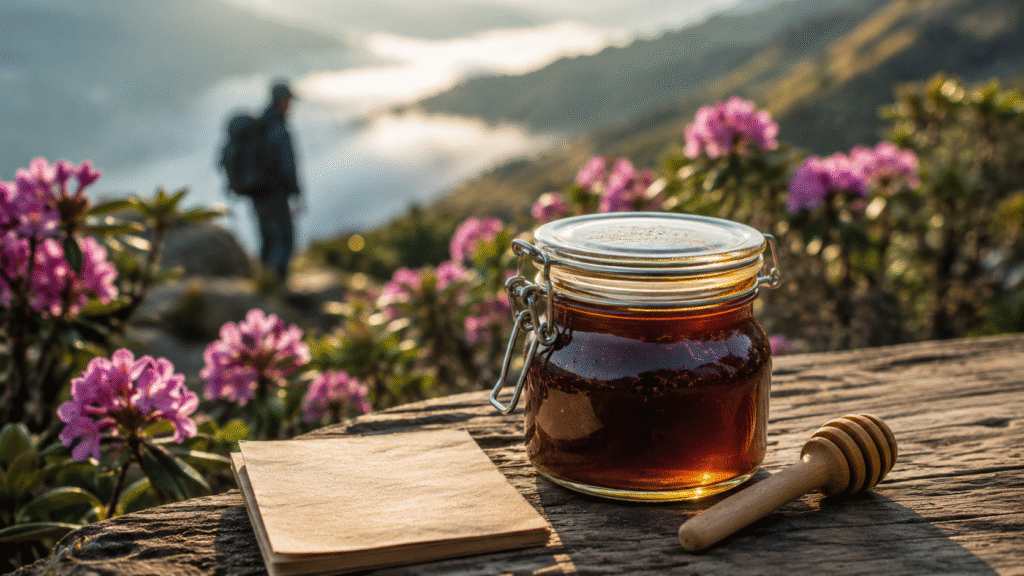
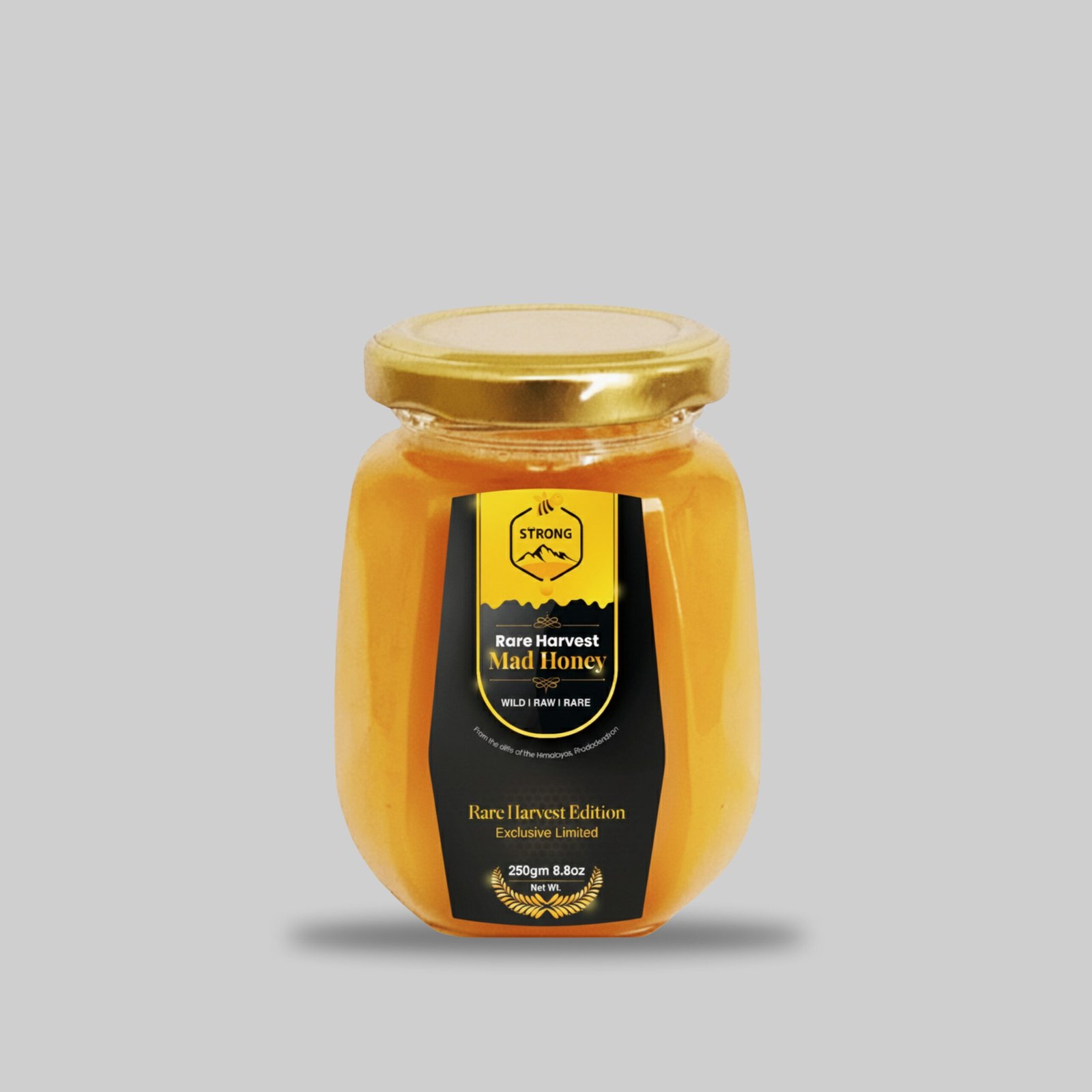
Regular honey is safe for nearly everyone to eat freely. Mad honey is fundamentally different because of grayanotoxins, compounds found in the nectar of specific high-altitude rhododendron species that bees forage on in Nepal and parts of Turkey. These compounds interact with sodium channels in the nervous and cardiovascular systems, producing effects that ordinary honey simply doesn’t have. This is the entire reason Is Mad Honey Safe is even a question worth asking in the first place.
What the Clinical Evidence Actually Shows
Published clinical case reports, primarily from Turkish emergency medicine researchers documenting patients who consumed excessive amounts of mad honey, describe a consistent pattern: slowed heart rate, low blood pressure, dizziness, and in some cases more significant cardiac complications. Most cases resolve with supportive medical treatment. This body of evidence is genuinely useful because it tells us clearly what happens with overconsumption — it does not, however, tell us that small, cautious amounts are automatically risk-free for every individual, since sensitivity varies considerably from person to person.
Factors That Determine Individual Risk
Several factors shape how safe mad honey is for any specific person: existing heart or blood pressure conditions, pregnancy or breastfeeding status, current medications, body weight, and the potency of the particular batch consumed. Two people eating identical amounts from the same jar can have meaningfully different experiences. This individual variability is exactly why we don’t publish specific dosage recommendations anywhere on this site — a responsible answer to Is Mad Honey Safe has to account for the person asking, not just the product itself.
How to Reduce Risk If You Choose to Try It
If you’ve decided mad honey is something you want to try, a few practical steps meaningfully reduce risk. Buy only from a supplier who can speak clearly to harvest region, season, and testing, since unverified or diluted products introduce unpredictable potency. Start with the smallest amount you can reasonably measure, well below what any online account describes as their own amount. Never combine it with alcohol or medication without medical guidance. And try it for the first time in a calm setting where you’re not driving, operating machinery, or otherwise depending on full alertness shortly afterward.
Why Sourcing Is a Core Part of the Safety Question
A meaningful part of Is Mad Honey Safe comes down to where the honey came from. Authentic, traceable mad honey from a documented harvest gives you at least some baseline understanding of what you’re consuming. Unverified sellers, especially those offering unusually cheap products, are a common source of inconsistent or diluted honey, which makes the already-unpredictable safety picture even harder to assess. This is one of the few product categories where sourcing transparency is genuinely a safety issue, not just a quality preference.
What “Generally Safe” Actually Means Here
When we say mad honey can be generally safe for healthy adults in small amounts, that’s a conditional statement, not a guarantee. It means the documented risk is manageable for most people under the right circumstances, not that adverse reactions are rare or impossible. Anyone approaching this product should hold that distinction clearly in mind rather than treating “generally safe” as equivalent to “risk-free.”
When to Take This Seriously as a Medical Question
If you experience dizziness, unusual weakness, nausea, or a noticeably slow heartbeat after trying mad honey, treat it as a genuine medical situation rather than something to wait out. Seek medical attention, particularly if symptoms are significant or don’t resolve quickly. This isn’t an overreaction — it reflects exactly the kind of reaction documented repeatedly in clinical literature.
Our Honest Position on This Question
As a seller of this product, we could easily give you a simple “yes, it’s safe” answer that would be more convenient for closing a sale. We’d rather give you the accurate, complete picture: mad honey is a specialty product with genuine traditional roots and a real, documented safety profile that requires respect, caution, and informed decision-making — not blind trust in either direction.
How This Compares to Other Foods With Known Risk Profiles
It helps to put Is Mad Honey Safe in some broader context. Very few common foods carry a documented, mechanistically understood cardiovascular risk profile the way mad honey does. The closer comparison isn’t to something like a shellfish allergy or spoiled dairy, but to naturally occurring plant toxins found in certain wild mushrooms or unprocessed plants, where the risk comes from a specific compound rather than contamination or spoilage. This distinction matters because it means the safety question here isn’t primarily about freshness or hygiene in the usual food-safety sense — it’s inherent to the product itself once a certain threshold is crossed for a given individual.
What a Responsible Seller Should Tell You
Part of answering Is Mad Honey Safe honestly involves being upfront about what responsible sourcing actually looks like from a seller’s side. A transparent supplier should be willing to discuss harvest region and season specifically, describe any testing or verification process, and provide clear safety guidance rather than only marketing language. If a seller’s page focuses entirely on benefits and effects without meaningfully addressing safety considerations, that’s worth treating as a red flag rather than an oversight, given how directly safety and sourcing are connected for this specific product.
Setting Realistic Expectations Before You Buy
If you’ve read through this guide and are still interested in trying mad honey, the most useful thing you can do is set realistic expectations going in: understand that reactions vary by individual and batch, plan your first try around a time when you’re not depending on full alertness afterward, and know in advance what symptoms would prompt you to seek medical attention. Going in with this level of preparation is a meaningfully different, safer approach than treating a first try as a casual, low-stakes decision.
Frequently Asked Questions
Is Mad Honey Safe for everyone?
No. It’s not appropriate for anyone with a heart condition, blood pressure issue, or who is pregnant or breastfeeding, and it should never be combined with alcohol.
Is Mad Honey Safe in small amounts?
Generally, for most healthy adults, small amounts carry manageable risk, but individual sensitivity and batch potency both affect the outcome, so no amount is guaranteed risk-free.
What makes mad honey riskier than regular honey?
Its grayanotoxin content, which regular honey doesn’t contain, is responsible for the documented cardiovascular effects that don’t apply to ordinary honey.
How do I know if the mad honey I’m buying is safe to try?
Buy from a supplier who can clearly explain harvest region, season, and testing. Unverified or unusually cheap sources carry higher risk due to inconsistent potency.
What should I do if I feel unwell after trying mad honey?
Sit or lie down, avoid exertion, and seek medical attention if symptoms are significant or persist, since this reflects a pattern documented in real clinical cases.


