

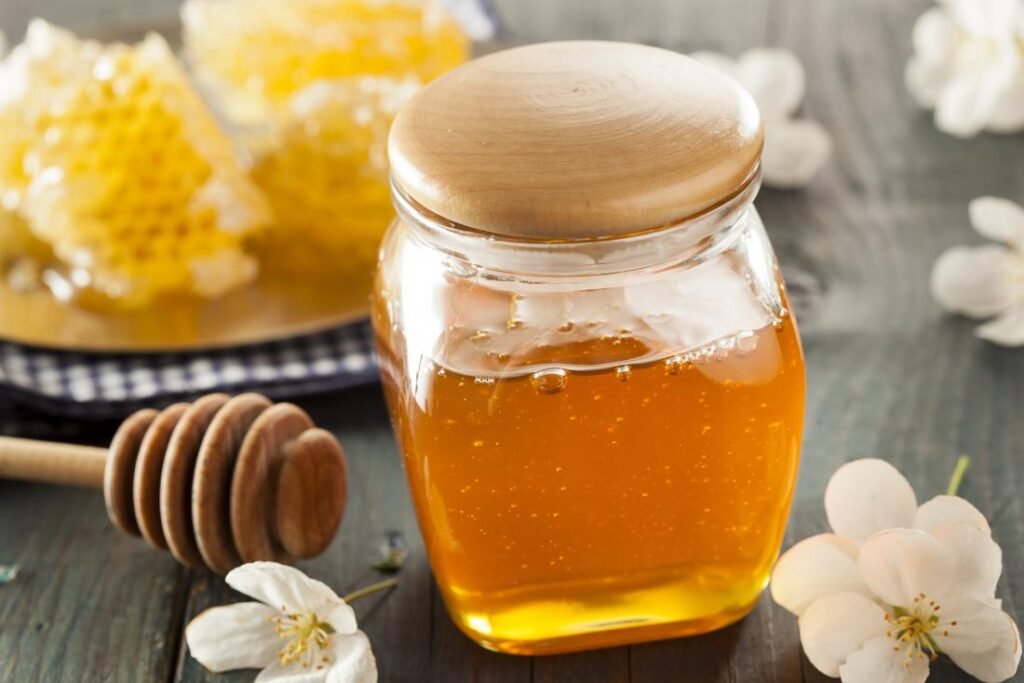
What Is Pure Honey?
Pure honey is one of nature’s most remarkable foods, valued by civilizations across the world for thousands of years. Produced by bees from flower nectar, pure honey contains no artificial sweeteners, preservatives, colors, or unnecessary additives. Its simplicity is one of the main reasons it remains popular today among consumers seeking natural and minimally processed foods.
The journey of pure honey begins when bees collect nectar from flowering plants and transport it back to the hive. Through a natural process involving enzymes and moisture reduction, the nectar gradually transforms into honey. Once mature, the honey is stored within honeycomb cells, where it remains protected until harvested.
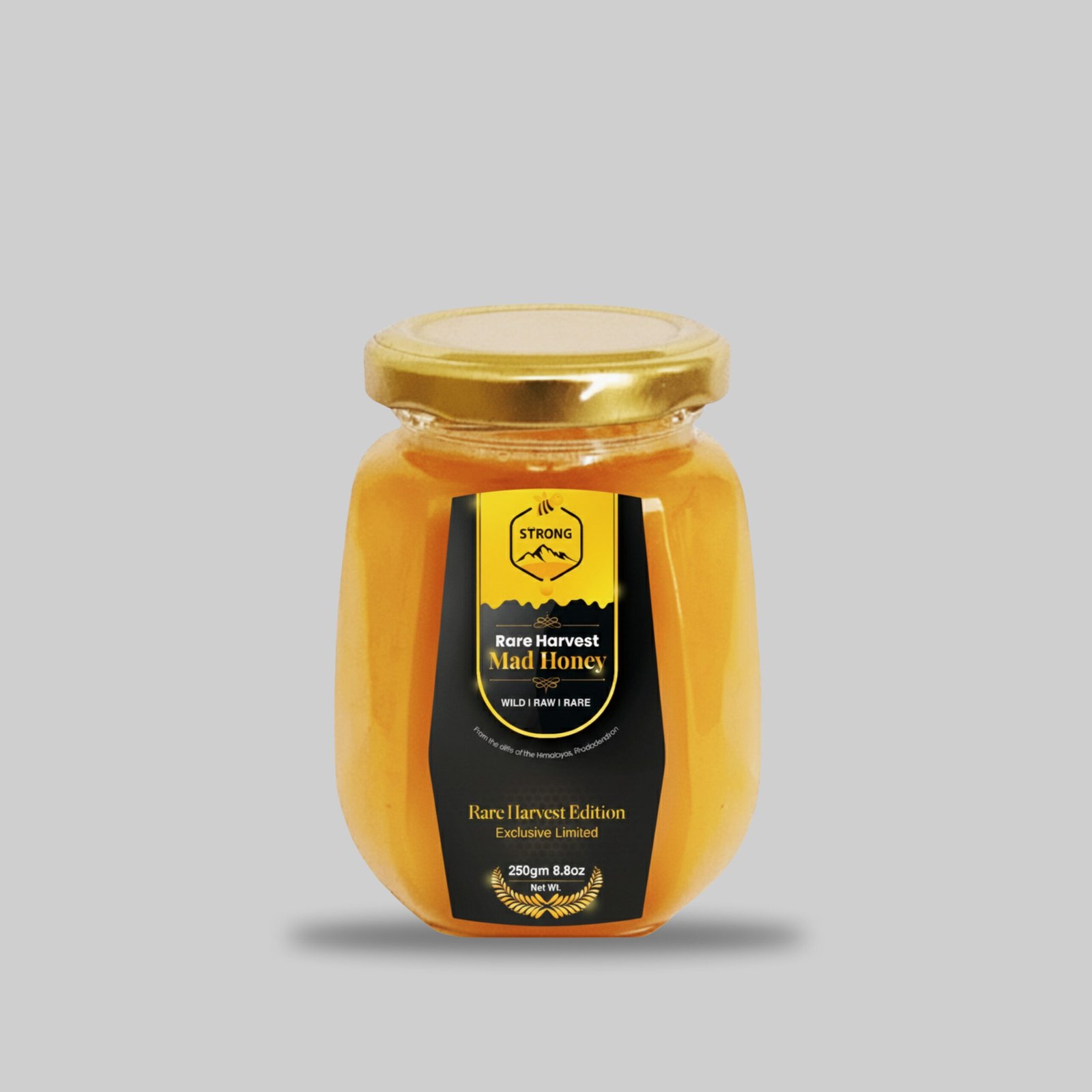
Unlike heavily processed sweeteners, pure honey retains many of its natural characteristics. The flavor, color, aroma, and texture of honey can vary significantly depending on the flowers visited by bees, the climate of the region, and seasonal conditions. These natural differences are part of what makes authentic honey unique.
The History of Pure Honey
Honey has played an important role in human history for thousands of years. Ancient civilizations in Asia, Europe, Africa, and the Middle East all valued honey as a prized natural resource. Historical records show that honey was used as food, traded as a valuable commodity, and incorporated into traditional cultural practices.
Long before modern sweeteners became available, honey served as one of humanity’s primary sources of sweetness. People appreciated not only its pleasant taste but also its long shelf life and versatility. Even today, pure honey continues to be enjoyed in homes around the world because of its natural origin and rich heritage.
The enduring popularity of honey demonstrates its unique position among natural foods. While many food trends come and go, honey has remained a trusted ingredient across generations and cultures.
What Makes Pure Honey Different?
One of the most common questions consumers ask is what separates pure honey from other honey products found in stores. The answer lies in both composition and processing.
Pure honey contains only honey produced by bees. It is not blended with syrups, artificial sweeteners, flavor enhancers, or unnecessary additives. Because of this, authentic honey maintains its natural characteristics and reflects the environment from which it originates.
Many commercial products may undergo extensive processing, filtering, or blending. While these products may still contain honey, they can differ significantly from minimally processed pure honey. Consumers seeking authentic honey often prefer products that maintain their natural flavor, aroma, and appearance.
Another important factor is traceability. High-quality honey producers are generally transparent about sourcing, harvesting methods, and quality standards. This transparency helps consumers make informed purchasing decisions.
Nutritional Composition of Pure Honey
Pure honey is primarily composed of naturally occurring sugars, including fructose and glucose. These carbohydrates provide energy and contribute to honey’s distinctive sweetness.
In addition to natural sugars, honey may contain small amounts of enzymes, amino acids, organic acids, antioxidants, and trace minerals. The exact composition varies depending on floral source, environmental conditions, and geographical location.
The diversity of compounds found in honey is one reason why different varieties often have different colors, flavors, and aromas. Light-colored honeys may have a mild taste, while darker varieties often possess a richer and more complex flavor profile.
Because honey is a natural agricultural product, no two harvests are exactly alike. This variation is considered a hallmark of authentic honey production.
Benefits of Pure Honey
Pure honey continues to be appreciated for a variety of reasons. Many people enjoy it as a natural sweetener, while others value its versatility in cooking and food preparation.
One of the most commonly cited advantages of honey is its ability to provide a natural source of energy. The naturally occurring carbohydrates in honey are easily utilized by the body, making it a convenient ingredient for active lifestyles.
Consumers also appreciate honey because it contains naturally occurring antioxidant compounds derived from flower nectar. These compounds contribute to honey’s unique composition and help explain why different floral sources can produce distinct honey varieties.
Another reason for honey’s popularity is its versatility. It can be used in beverages, recipes, sauces, marinades, baked goods, and countless other culinary applications. Few natural foods offer the same combination of sweetness, flavor, and adaptability.
Common Uses of Pure Honey
The uses of pure honey are remarkably diverse. Around the world, people incorporate honey into their daily routines in many different ways.
Many individuals enjoy adding honey to tea, coffee, and herbal beverages. Its natural sweetness allows it to serve as an alternative to refined sugar while also contributing its own distinctive flavor.
Honey is also widely used in baking. Bakers often use honey in breads, cakes, cookies, and desserts because it can enhance both sweetness and moisture retention.
In cooking, honey is frequently used in dressings, glazes, marinades, and sauces. Its ability to complement both sweet and savory dishes makes it a valuable ingredient in many cuisines.
Additionally, some people simply enjoy consuming honey directly because of its natural flavor and texture. Different honey varieties can offer vastly different tasting experiences, making honey appreciation a growing interest among food enthusiasts.
How to Choose Authentic Pure Honey
As consumer interest in natural foods continues to increase, selecting authentic honey has become more important than ever. Understanding what to look for can help buyers identify high-quality products.
One useful starting point is reviewing product information. Reputable honey producers often provide details about sourcing, harvesting methods, and production practices. Clear and transparent labeling can be a positive sign of quality.
Consumers should also pay attention to the origin of the honey. Different regions produce different honey varieties, each with unique characteristics. Understanding where honey comes from can provide valuable insight into flavor, color, and overall quality.
Natural variation should also be expected. Authentic honey may differ in appearance from batch to batch because environmental conditions, floral sources, and seasonal factors influence production.
Rather than expecting complete uniformity, consumers should recognize that variation is often a sign of genuine natural origin.
Why Pure Honey Remains Popular Today
Despite the availability of countless modern sweeteners, pure honey continues to enjoy widespread popularity. One reason is its connection to nature. Consumers increasingly seek foods that are simple, recognizable, and minimally processed.
Honey meets these expectations while also offering remarkable versatility. Whether used in beverages, cooking, baking, or everyday food preparation, honey remains one of the most adaptable natural ingredients available.
Another factor contributing to honey’s popularity is its cultural significance. Nearly every region of the world has traditions involving honey, creating a deep connection between this natural product and human history.
As awareness of food quality and sourcing continues to grow, authentic pure honey is likely to remain an important part of many consumers’ lifestyles.
Frequently Asked Questions
What is pure honey?
Pure honey is honey produced by bees without added sweeteners, artificial ingredients, preservatives, or syrups.
Why does pure honey vary in color?
Honey color depends on the flowers visited by bees, environmental conditions, and regional characteristics.
Can pure honey crystallize?
Yes. Crystallization is a completely natural process that can occur over time in authentic honey.
How should honey be stored?
Honey should be stored in a sealed container at room temperature and protected from excessive heat and moisture.
Is pure honey better than processed sweeteners?
Many consumers choose pure honey because of its natural origin and minimal processing.
Why do different honey varieties taste different?
Flavor differences result from variations in floral sources, climate, geography, and seasonal conditions.
Disclaimer
This article is intended for informational and educational purposes only. It should not be considered medical advice, diagnosis, or treatment. Pure honey is a food product and is not intended to diagnose, treat, cure, or prevent any disease. Individuals with dietary concerns or health conditions should consult qualified healthcare professionals before making dietary changes.


