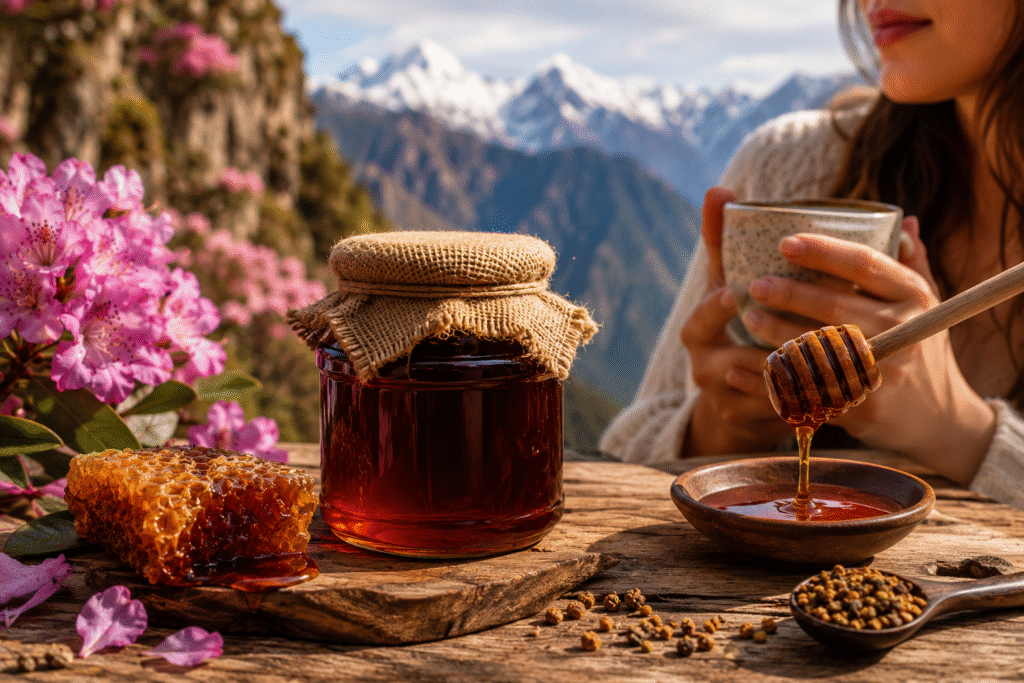
Most of what’s written about mad honey focuses on men and physical labor, which leaves a gap in honest information for women researching the product. This guide fills that gap directly — covering women’s actual historical role in the mad honey tradition, what’s genuinely understood about safety, and the marketing claims worth being skeptical of.
Women’s Overlooked Role in the Tradition
Cliffside honey hunting itself — the dangerous rope-ladder harvest — has historically been carried out by men in Nepal’s Gurung communities. But that’s only part of the picture. Women have long handled processing, storage, and distribution of the harvest, and have been central to passing down knowledge about the honey’s traditional uses within families. Most modern marketing skips this entirely, narrowing the story to stamina and male physical labor. The fuller history is more balanced than that framing suggests.
Separating Documented History From Marketing Promises
A fair amount of online content makes specific claims about mad honey and women’s hormonal health or fertility — claims that go well beyond what’s actually documented in ethnobotanical or clinical sources. The honest picture is narrower: a general traditional association with physical stamina, shared across genders, and a separate, loosely documented reputation around libido that shows up in discussions involving both men and women. There’s no clinical research validating mad honey for women’s reproductive or hormonal health specifically, and any claim suggesting otherwise deserves real scrutiny.
Pregnancy and Breastfeeding: A Firm No
This is the single most important point in this guide: mad honey should not be used during pregnancy or while breastfeeding, full stop. Grayanotoxins affect the cardiovascular and nervous systems, and there’s no safety research establishing any acceptable level of exposure during pregnancy or lactation. Given that complete absence of safety data, combined with the well-documented cardiovascular risks of grayanotoxin exposure generally, avoiding it entirely is the only responsible position — regardless of how mild a particular batch seems.
The Rest of the Safety Picture
Outside of pregnancy and breastfeeding, the core safety considerations are the same for everyone: mad honey affects heart rate and blood pressure, so anyone with a cardiac condition, blood pressure issue, or relevant medication should check with a doctor first. It should never be paired with alcohol. Because grayanotoxin sensitivity is tied partly to body weight, and women on average carry lower average body weight than men, that’s worth factoring in specifically — an amount that feels mild to one person can feel considerably stronger to someone with a smaller body mass. This is exactly why we don’t give specific dosage figures, and why starting with the smallest possible amount matters even more for first-time users.
No Separate “Traditional Protocol” for Women
There’s no distinct, historically documented mad honey routine specific to women beyond the household-level knowledge shared within families over generations. Traditional use — occasional, purpose-driven, passed down informally — applies the same regardless of gender. Marketing that frames mad honey as a targeted “women’s wellness” product with specific hormonal claims generally isn’t reflecting genuine historical or clinical understanding, and should be read skeptically.
What to Watch For When Something Feels Off
If you try mad honey and notice dizziness, unusual weakness, or a noticeably slowed heart rate, take it seriously regardless of how small the amount was. Sit or lie down, avoid exertion, and get medical attention if symptoms persist or feel significant. This applies to anyone trying mad honey, but it’s worth restating clearly given how much individual sensitivity varies.
What to Prioritize as a Buyer
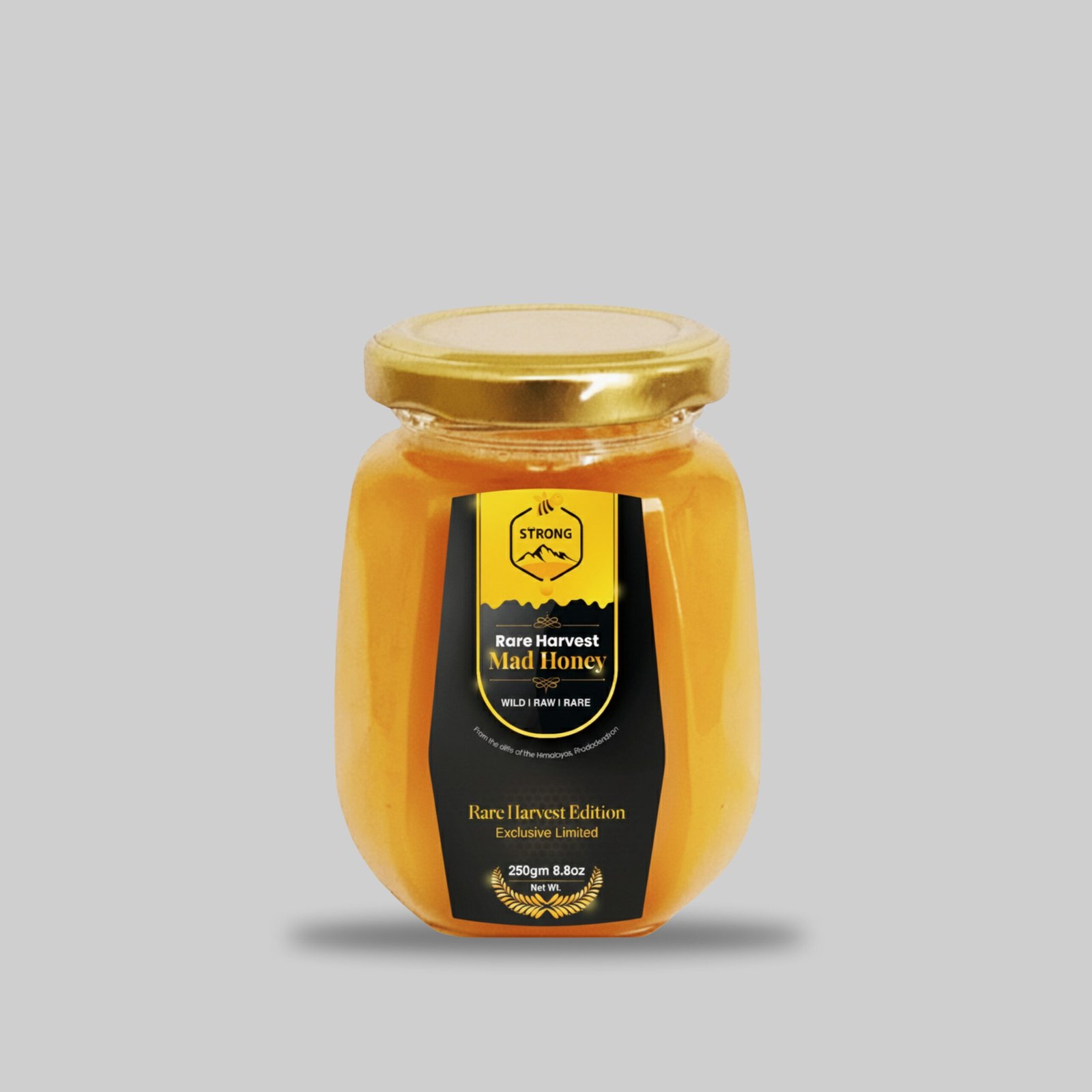
If you’re a woman considering trying mad honey, prioritize exactly what anyone should: a supplier who can speak clearly to harvest origin, season, and testing, transparent information where it’s available, and honest safety guidance rather than bold health claims. Steer clear of anything marketed with unverified, specific promises about hormonal or reproductive benefits — those claims don’t rest on the same historical or research foundation as mad honey’s more general traditional reputation.
Frequently Asked Questions
Is mad honey safe during pregnancy?
No. It should be avoided entirely during pregnancy, given the absence of safety research and its documented cardiovascular effects.
Is it safe while breastfeeding?
No, for the same reasons — there’s no established safety data, and it should be avoided.
Is there a version of mad honey made specifically for women?
No. That’s a marketing distinction, not a real product difference.
Do women need smaller amounts than men?
We don’t publish specific dosage figures for anyone. Since sensitivity relates partly to body weight, which varies individually regardless of gender, starting with the smallest possible amount is the safest approach across the board.
What health claims about mad honey and women should I question?
Anything specific about hormonal balance, fertility, or reproductive health — these aren’t supported by clinical research or well-documented tradition.


