A large share of mad honey’s modern buyers are men who came across it because of its reputation for stamina and vitality. That reputation has a real historical basis, but it’s also been stretched considerably by modern marketing looking to capitalize on interest in men’s wellness products generally. This piece walks through where the association genuinely comes from, and where the claims start to outrun the evidence.
Physical Labor Is the Real Origin Story
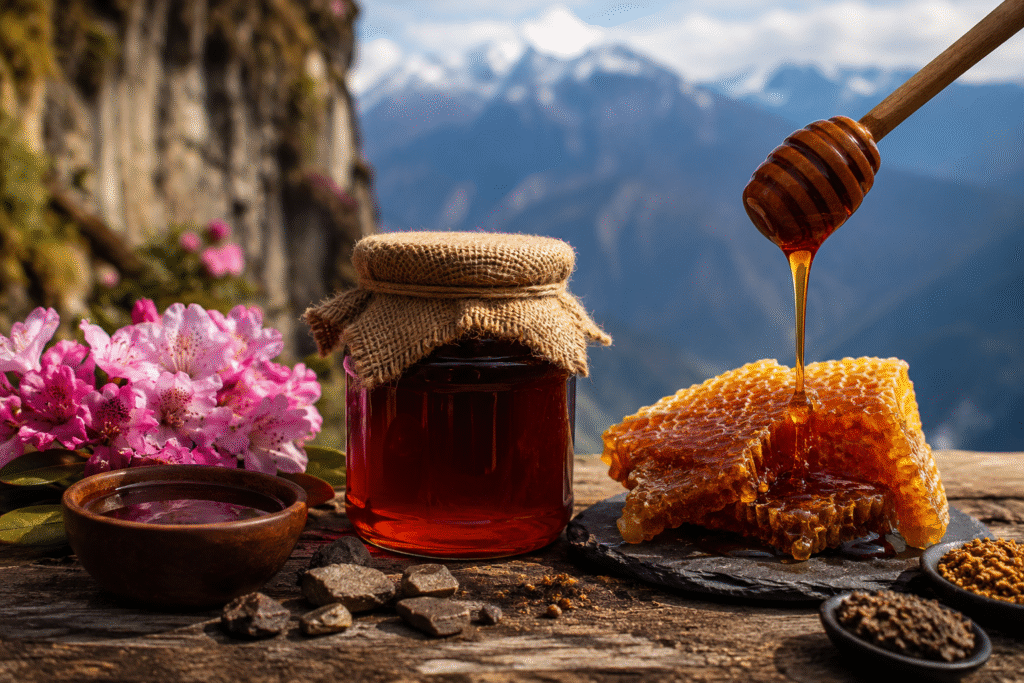
In the Himalayan hill communities where mad honey has been harvested for generations, the physically demanding work — farming steep terraced land, herding, and the honey hunt itself — was traditionally done predominantly by men. Mad honey’s association with stamina grew directly out of that context: it was something taken before hard physical labor, not a broad wellness supplement marketed the way it sometimes is today. That’s an important distinction, because it explains the cultural link to masculinity and vitality without implying any specific claim about hormonal or reproductive health.
What’s Actually in the Jar
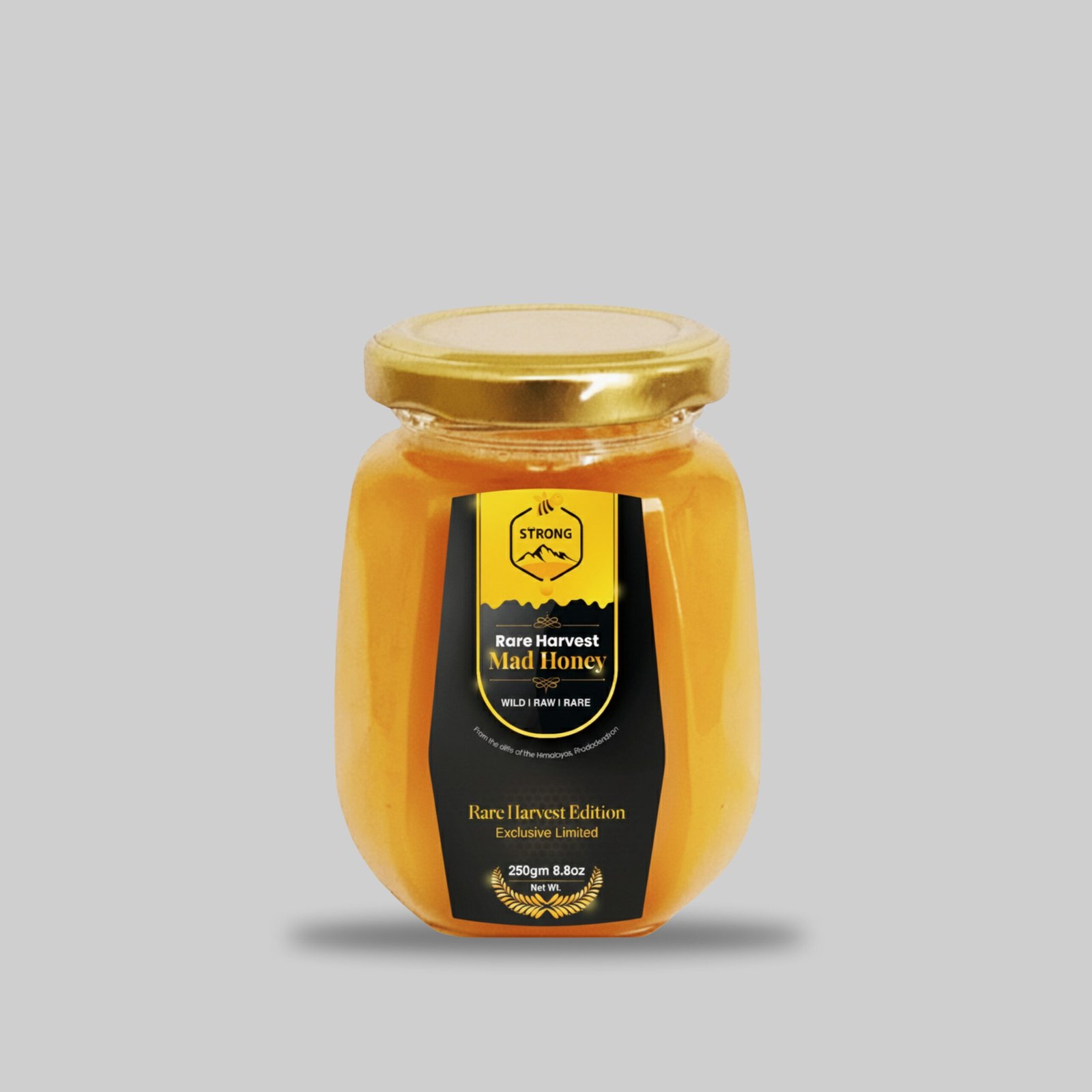
Strip away the marketing and what you’re left with is grayanotoxins — compounds from specific rhododendron nectar that interact with sodium channels in the nervous and cardiovascular systems, producing the noticeable physical sensation people associate with mad honey. Beyond that, it’s raw honey: the same natural sugars, trace minerals, and enzymes found in any unprocessed honey, nothing unique to men’s health specifically.
Nepal and Turkey Share a Parallel Tradition
Nepal isn’t alone in this. Turkey’s Black Sea region has its own long-standing tradition around deli bal, used by local farmers and fishermen much the same way — occasionally, before demanding physical work, rather than as a routine daily habit. Two regions developing a similar pattern independently, without direct historical contact, lends some weight to the idea that this isn’t purely a modern invention, even if it hasn’t been validated by controlled research either.
Where the Marketing Oversteps
It needs to be said plainly: a lot of mad honey marketing leans on bold, specific claims about male performance and vitality that go well past what history or research actually supports. The honest version of the story is a general, centuries-old association with physical stamina tied to manual labor, plus a separate and even less documented reputation around libido covered in its own dedicated guide. Neither of these amounts to a scientifically validated men’s health benefit, and claims presenting mad honey as a guaranteed performance product deserve real skepticism.
How It Was Traditionally Used
Traditional use followed a clear pattern: occasional, tied to specific physical demands, and passed down through direct community knowledge rather than any kind of standardized routine. It was never a daily supplement. That pattern is worth keeping in mind if you’re considering mad honey today, since it stands in sharp contrast to the “take it every morning” framing used by some modern sellers.
What Actually Matters When Buying
If the traditional vitality reputation is what draws you to mad honey, the thing worth prioritizing isn’t the boldest marketing claim — it’s sourcing transparency. A seller who can specifically explain harvest region, season, and testing is offering something genuinely more valuable than confident promises about performance, especially given how much grayanotoxin potency varies by batch. That transparency is also the only real path to a consistent experience if you plan to use it more than once.
A Reasonable Amount of Skepticism
The men’s wellness supplement space broadly is one of the most heavily marketed, most overstated categories out there, and mad honey sellers borrow plenty of language from it. Treat any claim that sounds too specific, too guaranteed, or too close to a pharmaceutical promise with skepticism. The honest, historically grounded story of mad honey is interesting enough on its own without needing exaggeration to sell it.
Safety Still Comes First
Because grayanotoxins affect heart rate and blood pressure, more frequent use than the traditional occasional pattern increases risk. Anyone with a heart condition, blood pressure issue, or relevant medication should talk to a doctor before trying it, and it should never be combined with alcohol. Sensitivity varies too much for us to give a specific dosage — start small, always.
Frequently Asked Questions
Is mad honey specifically good for men’s health?
Its reputation comes from traditional use by men doing physically demanding labor, not from any established, gender-specific health benefit.
How is this different from the libido reputation?
Vitality and stamina refer to general physical endurance historically tied to manual labor; libido is a separate, even less-documented association covered in its own guide.
Should men take mad honey every day?
No — traditional use was occasional, not routine, and we don’t recommend daily use.
Are the online claims about male performance accurate?
Many go well beyond documented history or research. Approach specific performance promises with skepticism.
What should I look for in a supplier?
Clear information about harvest region, season, and testing — not bold marketing claims.


